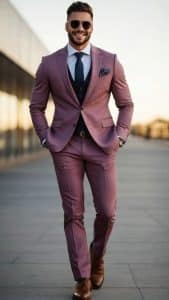
Television presenting is one of the most visually demanding jobs in modern professional life. A presenter spends hours in front of cameras under studio lighting, appears in front of live audiences at industry events, walks red carpets at awards nights, sits for magazine and press photographs, and does all of it in wardrobes that will be screen-shotted, replayed and remembered by viewers who form lasting impressions from a single appearance. The wardrobe is not incidental to the work. It is part of the presenter’s public identity, and building it well is one of the more consequential professional investments a presenter can make.
This guide is for television presenters, news anchors, sports presenters, entertainment hosts and broadcast personalities who want to build formalwear that carries them across the full range of settings the work involves. From the studio floor to the red carpet, from morning news broadcasts to evening industry awards, the wardrobe has to hold up in each specific setting and hold together across all of them as a coherent visual identity.
Presenting for television creates specific wardrobe challenges that other public wardrobes do not have. Cameras behave differently from the naked eye. Studio lighting is much stronger than natural light and reveals fit problems that would be invisible in ordinary settings. Long broadcasts require the wardrobe to hold up through hours of sitting, standing, movement and warm studio conditions. And the audience for a television presenter is much larger than the audience for most public figures, which means the visual impression the wardrobe makes reaches millions of people simultaneously.
Layered on top of the studio work, presenters increasingly appear at events outside the studio. Industry awards, red carpet premieres, sponsor events, live audience shows, product launches, press events. Each of these has its own wardrobe conventions, and the presenter has to move between them fluently while maintaining a coherent personal identity that viewers can recognise across settings.
Fabric Choices That Photograph Well
The Cut for Camera
Fit shows more on camera than in person. A slightly loose or slightly tight jacket that reads as almost right in the mirror will read as wrong on screen. Shoulders that do not sit correctly, a collar that gapes, trousers that pool at the shoe: all of these are amplified by the camera. The specific silhouette that reads correctly on television is achieved through bespoke tailoring built for the wearer’s body, and this is one of the reasons serious presenters increasingly work with bespoke tailors rather than accepting off-the-rack compromises.
Colours to Approach Carefully
Working with a phuket suit tailor who understands the specific visual demands of broadcast is one of the smarter investments a presenter can make in the working wardrobe, since the fabrics and construction that hold up under studio lighting are its own discipline.
A working presenter regularly appears at events outside the studio, each with its own conventions.
Industry Awards and Formal Events
A properly cut bespoke tuxedo is essential. Peak or shawl lapel in silk satin, midnight blue for photograph forgiveness or classic black, single-button front, considered accessories. This tuxedo will serve for many years of formal industry occasions and reward the investment in every appearance.
Red Carpet Appearances
More latitude than industry awards, but the wardrobe still needs to hold together as a coherent personal identity. This is where a presenter’s signature look can express itself most strongly. Distinctive tailoring, considered accessories, sometimes a bolder colour or fabric than daily wear allows. The look should feel like an elevated version of the presenter’s everyday wardrobe, not a costume worn once.
Sponsor Events and Product Launches
A well cut business suit or considered blazer-and-trousers ensemble, in colours that photograph well and hold up under mixed lighting. These events often involve photographs with sponsors, brand appearances and media coverage, so the wardrobe should read as considered and appropriate to the setting.
Live Audience Shows
A hybrid between studio and event wardrobes. The setting is more formal than a studio broadcast but still on camera, so the fabric and colour choices need to work under studio-quality lighting. A slightly more distinctive suit than the daily broadcast wardrobe, worn with the same discipline about camera-friendly choices.
The presenters who become visually memorable are the ones whose wardrobe becomes recognisable across appearances. Not because they wear the same outfit repeatedly, but because a consistent underlying identity holds together across many broadcasts and events. A colour palette, a silhouette, a distinctive detail. Viewers learn to associate the look with the presenter, and the look becomes part of the presenter’s public brand.
Building a signature look on television takes time and consistency. It usually starts with identifying what genuinely flatters the presenter on camera, choosing a recurring element (a specific silhouette, a colour palette, a signature accessory) to anchor the wardrobe around, and repeating that element with small variations across appearances. Complete stylistic reinvention every broadcast leaves the presenter visually forgettable. Consistency with small evolution builds recognition.
For presenters whose work involves frequent studio broadcasts, live events and industry appearances across multiple cities, working with a bespoke tailor who understands both the specific visual demands of broadcast and the practical demands of the presenter’s schedule is one of the more useful long-term relationships to establish.
A working television presenter typically needs a wardrobe built for range across studio and event settings.
Exclusive Tailor is one of the original bespoke tailoring houses of Patong, Phuket, founded by Johnny and Nitu and run as a family business ever since. Our broadcast clients include television presenters, news anchors, sports presenters and entertainment hosts from across the world. Many first met us during a Phuket visit and continue the relationships. Building a signature broadcast wardrobe across a career rewards a long relationship with a bespoke tailor, and we take that relationship seriously across every stage of a presenter’s professional life.
What should a TV presenter wear on screen?
Well cut suits or blazers in solid colours with subtle texture, in deep saturated shades (navy, burgundy, forest green) that hold their character under studio lighting. Bespoke tailoring for the fit that reads as considered on camera, and off-white or pale blue shirts to avoid burnout under strong studio lights.
How does dressing for television differ from ordinary dressing?
Cameras amplify fit problems, wash out colours, and can create moire effects with busy patterns. Studio lighting is much stronger than natural light and reveals details that would be invisible in ordinary settings. The specific fabric, colour and fit choices that work on television are their own discipline, distinct from the choices that work in other public settings.
Do TV presenters need bespoke tailoring?
For a serious broadcast professional, yes. The specific silhouette that defines a signature look, and the fit that reads as considered under studio lighting, both require garments built specifically for the wearer’s body. Off-the-rack forces compromises that appear amplified on camera.
What colours work best on television?
Deep saturated colours such as navy, burgundy and forest green hold their character on camera where washed-out neutrals fade. Solid colours photograph more reliably than busy patterns. Off-white and pale blue shirts avoid the burnout that pure white can produce under strong studio lights.
Should a TV presenter wear a tuxedo for events?
For industry awards and formal evening events, yes. A properly cut bespoke tuxedo is essential for a presenter whose career involves appearances at these settings, and serves for years of formal industry occasions.
How does a presenter build a signature look?
Start with what genuinely flatters you on camera. Identify an anchor element (silhouette, colour palette or distinctive detail) and repeat it consistently across broadcasts and appearances, varying the pieces around it while holding the anchor stable. Consistency with small evolution builds recognition over a career.


Mon-Sat 10:30 – 22:00
Sunday 16:00 – 22:00