There is a stubborn idea that entrepreneurs have permission to dress badly. The successful founder in a hoodie became a cultural icon, and generations of business builders since have used it as justification for putting no thought into their wardrobes. This works for a specific window of a specific kind of career, and it works less well the further past that window an entrepreneur travels. The serial entrepreneur running multiple businesses, the established owner of a scaled company, the founder who has exited and moved into board and investment work, the entrepreneur whose visibility has grown into public roles, all of them eventually rediscover that the right suit still matters.
This guide is for entrepreneurs who have moved past the seed-stage phase where the hoodie made sense. Serial entrepreneurs, business owners running scaled companies, exited founders moving into next chapters, entrepreneurs whose public profile has grown beyond a single company. The wardrobe that serves this stage of the entrepreneurial life is not the wardrobe of the corporate CEO, and it is not the wardrobe of the seed-stage founder either. It is something in between, and it deserves its own consideration.
The hoodie founder image works for a narrow set of situations: pitching consumer tech to early-stage investors in Silicon Valley, running an early team where the founder wants to signal cultural fit with engineering, giving keynotes at industry conferences that expect the aesthetic. Outside these specific contexts, dressing carelessly starts to work against the entrepreneur rather than for them.
The entrepreneur pitching institutional investors on a scaled business is being read against the norms of institutional finance. The founder taking a company public is on stages where the corporate world’s dress codes apply. The established business owner meeting bankers, lawyers, senior partners and industry peers is in rooms where visible investment in presentation reads as investment in the enterprise. In these contexts, the wardrobe that looked like authenticity at the seed stage looks like carelessness at the scale stage.
The established entrepreneur has to dress for a wider range of settings than either the corporate CEO or the seed-stage founder. In a single week, the same person might chair a board meeting, meet institutional investors, host a customer at the office, give a keynote at an industry event, sit for a media interview and appear at a community or philanthropic event. The wardrobe has to work across all of them, and it has to feel authentic to the entrepreneur’s actual identity rather than borrowed from another world.
The Bespoke Suits
Two or three well made bespoke suits in classic colours form the foundation. Navy for the majority of formal settings, mid grey for daytime work, and a slightly darker suit (charcoal or deep navy) for the most senior occasions such as institutional investor meetings, board sessions and formal industry events.
The Versatile Blazer
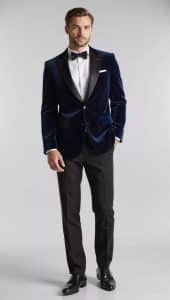
A well cut blazer, worn with tailored trousers, is often the most useful piece in an established entrepreneur’s wardrobe. It bridges the space between the full suit and the informal ensemble, and it reads correctly across a wide range of settings from client meetings to industry events to casual media appearances.
Considered Casual
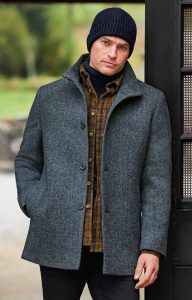
Casual is not the same as careless. Well cut jeans or tailored trousers, quality knitwear, a considered jacket. This is the wardrobe for internal work, less formal meetings and the public casual moments that punctuate an entrepreneur’s schedule. The pieces should be intentional, made from quality materials and fitted correctly.
Explore our suits in Phuket to see the fabrics and construction options we work with for established entrepreneurs building coordinated wardrobes across the range of settings entrepreneurial life involves.
Several specific reasons the wardrobe matters more, not less, as an entrepreneur’s career scales.
The best entrepreneur wardrobes strike a balance between authentic personal identity and correct dressing for each specific setting. The entrepreneur who has built a strong personal brand through visual identity should not abandon it when the setting becomes more formal, but they should adapt it. A signature colour palette can be maintained across both casual and formal versions of the wardrobe. A particular silhouette can be expressed in both a soft jacket and a considered suit. Consistency across formality levels is what makes an entrepreneur’s wardrobe genuinely a personal brand rather than a rotating series of costumes.
For established entrepreneurs whose work involves frequent travel between offices, investors, industry events and portfolio businesses, working with a best tailor in Phuket who understands both the range of settings entrepreneurial life covers and the specific personal brand each entrepreneur wants to project is one of the more useful long-term relationships to establish.
An entrepreneur’s wardrobe should evolve deliberately across the stages of their career. The seed-stage founder has permission to dress casually for the specific reasons and settings that stage allows. The growth-stage entrepreneur begins to add more considered pieces as the settings become more formal. The exited or scaled entrepreneur builds a genuine executive wardrobe that supports the wider range of roles this stage brings. And the serial entrepreneur or investor moving between multiple ventures needs a wardrobe versatile enough to serve them across all of them.
This evolution should feel natural rather than abrupt. Building the wardrobe over time, adding pieces as the settings require them, working with a bespoke tailor who understands the trajectory, is how the wardrobe stays authentic to the entrepreneur’s actual identity even as it becomes more considered.
Exclusive Tailor is one of the original bespoke tailoring houses of Patong, Phuket, founded by Johnny and Nitu and run as a family business ever since. Our entrepreneur clients include serial founders, scaled business owners, exited entrepreneurs moving into investment and advisory work, and entrepreneurs whose companies have reached public visibility.
Many first met us during a Phuket visit and continue the relationship through our trunk show service in their home cities as their careers evolve. The wardrobe of an established entrepreneur rewards a long relationship with a bespoke tailor, and we take that relationship seriously across every stage of an entrepreneurial career.
Do entrepreneurs really need suits?
At the seed stage, often not. As an entrepreneur’s career scales into institutional investor meetings, board work, media appearances and public roles, the wardrobe matters more, not less. The hoodie founder image works for a specific window of a specific kind of career, and it works less well the further past that window an entrepreneur travels.
How does an entrepreneur’s wardrobe differ from a corporate CEO’s?
The corporate CEO’s wardrobe is built for a defined corporate context. The entrepreneur’s wardrobe is built for a wider range of settings, from investor pitches to media appearances to industry events to internal team work, and often reflects a stronger personal brand than the corporate CEO wardrobe would.
What should an entrepreneur wear to meet institutional investors?
A well-made bespoke suit in navy or charcoal, quality shirt, restrained accessories. Institutional investors operate in a world with corporate dress conventions, and visible investment in presentation reads as investment in the enterprise being presented.
How many suits does an established entrepreneur need?
Two or three well-made bespoke suits in classic colours, plus a versatile blazer, tailored trousers and a set of considered casual pieces, cover most of the settings an established entrepreneur faces. Quality and coordination matter more than volume.
Can an entrepreneur wear casual clothes at senior levels and still be taken seriously?
Casual is not the same as careless. A well cut casual outfit made from quality materials, worn intentionally, reads as considered. A poorly fitting or careless outfit reads as not caring about presentation. The point is intentionality, not formality.
Should an entrepreneur’s wardrobe reflect a personal brand?
Yes. The best entrepreneur wardrobes maintain a consistent personal brand across both casual and formal versions of the wardrobe. A signature colour palette or silhouette expressed across formality levels is what turns an entrepreneur’s wardrobe into a genuine personal brand rather than a rotating series of costumes.


Mon-Sat 10:30 – 22:00
Sunday 16:00 – 22:00