Finance has always been one of the industries where the suit is close to universal, and where the standard of that suit is genuinely noticed. From the trading floor to the private banking suite, from the deal room to the client dinner, the banker’s wardrobe is doing quiet work throughout the professional day. Clients, colleagues and counterparts are all reading the outfit as one of several signals about how seriously the banker takes both the work and their own presentation.
This guide is for professionals in banking and finance who take the wardrobe seriously. Investment bankers on the deal side, private bankers managing wealth relationships, corporate bankers, senior traders and analysts, and finance leaders in banks and asset management firms. The essential suits, fabrics and details that define a working banker’s wardrobe today, and how modern finance has evolved the classic conventions without abandoning them.
Finance is one of the last industries where a properly worn suit remains close to universal at senior levels. This is not fashion inertia. It is the recognition that finance runs on trust, and the suit reinforces the trust in ways that other wardrobes do not. Clients handing over significant capital want to see people who look serious about the responsibility. Counterparts across a deal table want to see people whose presentation matches the seriousness of the transaction. The suit is not just permitted in finance; it is expected, and the standard is high.
What has evolved is the specific way finance dresses. The old power suit of previous decades has softened. The silhouette is cleaner. The colours remain restrained but the interpretation is more considered. Modern finance dresses well, not loudly, and the best-dressed bankers today are the ones whose wardrobe reads as considered rather than aggressive.
The Deal Suit
The most formal and considered suit in the wardrobe. Dark navy or charcoal in quality worsted wool, cut classically. This is the suit worn for the most senior client meetings, the pitches to institutional buyers, the deal closings and the moments when the banker needs to look unmistakably serious. Every serious banker should own at least one suit at this level.
The Daily Business Suit
The workhorse suit for daily office work, internal meetings and standard client interactions. Mid grey or navy in a slightly more approachable fabric than the deal suit. This suit gets more wear than any other in the wardrobe and needs to hold up to daily rotation.
The Client Dinner Suit
A slightly more distinctive suit for evening client entertainment, industry dinners and settings that call for the wardrobe to signal a step above pure business. Deep navy in a wool-silk blend, or a subtle glen check in a quality worsted, add character without breaking the discipline of the wider wardrobe.
The Travel-Friendly Suit
For bankers whose work involves international travel between offices and clients, a suit built specifically for the road. High-twist worsted wool in navy or mid grey, cut to hold a sharp line after long flights. This suit lets the banker arrive at meetings looking as considered as if they had walked over from a nearby office.
The Tuxedo
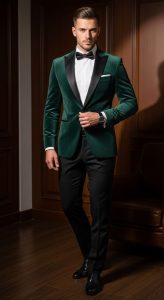
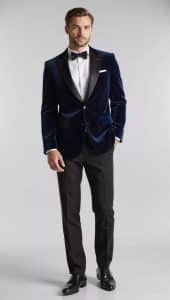
Finance is one of the professions where the tuxedo genuinely earns its place. Charity galas, industry awards, formal client entertainment and the specific black-tie events that punctuate a senior banking career all call for a properly cut bespoke tuxedo. Peak or shawl lapel in silk satin, midnight blue or classic black, single-button front, considered accessories. Get this right and it serves for years.
Explore our best tailor phuket patong suit shop to see the fabrics and construction options we work with for banking and finance clients across the range of professional settings modern finance involves.
The best-dressed bankers understand that finance is a profession where details matter and are noticed. The audience for a serious banker’s wardrobe is other well dressed professionals in finance, and they read the details closely.
For bankers whose work involves frequent international travel between offices, clients and deal sites, working with a bespoke Phuket tailor who understands both the specific dress conventions of finance and the practical demands of travel is one of the more useful long-term relationships to establish.
A banker’s wardrobe should evolve deliberately across the stages of a career in finance. The analyst and associate stages benefit from a small, correct foundation wardrobe that reads as serious and considered. The vice president and director stages call for a more complete wardrobe with more variation and quality.
The managing director and partner stages require a full executive wardrobe that stands up to the most senior client meetings, board sessions and formal industry occasions. Building the wardrobe over time, adding pieces as the career requires them, working with a bespoke tailor who understands the trajectory of a finance career, is how the wardrobe stays proportionate to the role at every stage.
Exclusive Tailor is one of the original bespoke tailoring houses of Patong, Phuket, founded by Johnny and Nitu and run as a family business ever since. Our banking and finance clients include investment bankers, private bankers, corporate bankers, senior traders and finance leaders from firms across the world’s major financial centres.
Many first met us during a Phuket visit and continue the relationship through our trunk show service in London, New York and other cities where finance professionals work. The wardrobe of a serious banker rewards a long relationship with a bespoke tailor, and we take that relationship seriously across every stage of a finance career.
What is the best suit colour for a banker?
Dark navy is the most versatile choice for daily banking work. Charcoal grey is slightly more formal and suits the most serious meetings. Mid grey works for daily office work and less formal client interactions.
How many suits does a banker need?
Five well chosen suits cover most of what a working banker faces: a deal suit for the most senior meetings, a daily business suit, a client dinner suit, a travel-friendly suit and a tuxedo for formal evening occasions. Additional suits can be added over time.
Is bespoke really necessary for a banker?
For a profession where visual credibility supports every other signal of seriousness, yes. The precision of fit and quality signals that define modern finance dressing are difficult to achieve at any price without bespoke construction.
What fabric works best for daily banking wear?
Quality worsted wool in a mid weight is the practical foundation. High-twist worsteds resist creasing well for bankers who travel or move between offices. Wool and mohair blends suit the most formal client meetings.
Do bankers still wear tuxedos?
Yes. Finance is one of the professions where the tuxedo genuinely earns its place, at charity galas, industry awards, formal client entertainment and the specific black-tie events that punctuate a senior banking career.
Should a banker wear brown suits?
Traditionally no, in most banking settings. Brown reads as too casual for serious finance work and can undermine the credibility a banker is trying to project. Navy, charcoal and grey do the work of the professional wardrobe more reliably.


Mon-Sat 10:30 – 22:00
Sunday 16:00 – 22:00