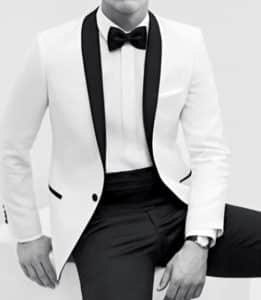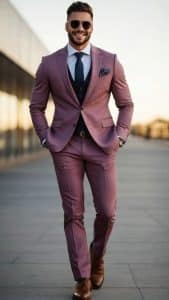
Music is a visual art as much as it is a sonic one. From the moment an audience sees a musician on stage, before the first note is played, they are forming an impression that shapes how they hear what follows. The look becomes part of the music, and over the course of a career the look either builds recognition or leaves the musician visually forgettable no matter how memorable the sound. This is why every serious musician eventually finds their way to a signature look. It is not vanity. It is the visual layer of the artistic identity.
This guide is for musicians who have reached the point where the wardrobe has started to matter. Session players building their profile, singer-songwriters preparing for tour, jazz and classical musicians who want their concert dress to be considered rather than default, orchestral principals, band leaders, and any performer whose work places them in front of audiences regularly. A signature look is one of the most durable investments a musician can make in their public identity.
A signature look is not a costume. It is a recognisable, consistent visual identity built through repetition across many appearances. When audiences see the musician, on stage, in press photographs, at album launches or in music videos, they see something familiar. The look becomes part of how the musician is remembered, and over years it becomes inseparable from the artistic identity itself.
The great musicians whose signature looks defined generations understood this. Frank Sinatra’s tuxedo, Miles Davis’s precise tailoring, Bowie’s continual reinvention within a coherent framework, Nick Cave’s monochrome black, Prince’s colour and cut. What these looks share is not a specific style but a specific consistency, refined over years, that audiences and industry professionals learned to associate with the artist personally.
The most common musician mistake is treating wardrobe as either irrelevant or as a costume that changes constantly. The musicians who dress badly early often argue that the music is what matters, which is true but incomplete. Audiences and industry professionals are reading visual signals alongside the music, and a musician who visibly does not care about presentation is quietly telling them that other aspects of the artistic project may not get the attention they deserve.
The musicians who overcorrect often go the other way and end up looking like they are trying on different identities without settling on one. Complete stylistic reinvention every appearance leaves the artist visually forgettable, no matter how striking each individual look. The signature look works because it accumulates recognition over time, not despite the repetition but because of it.
The Anchor
Every signature look has an anchor element that recurs across appearances. It might be a specific silhouette (a longer jacket line, a wider trouser, a particular lapel width). It might be a colour palette (all black, monochromatic, a specific accent colour). It might be a distinctive accessory (a signature hat, a specific style of eyewear, a particular kind of jewellery). The anchor is what audiences learn to associate with the musician’s visual identity.
The Variation Within
A signature look does not mean wearing the same outfit repeatedly. It means holding the anchor consistent while varying the pieces around it. The musician known for a specific silhouette can wear that silhouette in many different fabrics and colours over a career. The musician known for a monochrome palette can vary the individual pieces while maintaining the palette. Consistency of the anchor allows freedom in the details.
The Fit
Whatever the anchor, the fit has to be correct. A signature look built on ill-fitting clothes reads as costume no matter how distinctive the anchor. This is where bespoke tailoring becomes essential for serious musicians. The specific silhouette that defines a signature look is difficult to achieve within standard sizing, and the fit that photographs well on stage and in press requires garments built for the wearer’s body.
Explore our custom suits to see the fabrics and construction options we work with for performers building a distinctive stage and public wardrobe.
A musician’s wardrobe faces specific visual challenges that other public wardrobes do not. Stage lighting is much stronger than natural light, which changes how fabrics read visually. Distances are greater than in ordinary interactions, so subtle details are lost while overall silhouette becomes more important. Movement during performance means the wardrobe has to work in motion, not just standing still. And cameras (both for photography and video) capture fabrics and colours differently from the naked eye.
Signature looks vary by genre in ways that matter. A jazz musician’s signature look sits within a tradition that expects certain conventions. A classical soloist’s concert dress operates within specific norms of the orchestral world. A rock or pop performer has more latitude but also more competition for visual distinctiveness. A singer-songwriter has to find a look that reads as authentic to the intimate quality of the music. Understanding your genre’s conventions is the starting point, and then building a signature look within those conventions is where personal identity begins to show.
A serious musician’s wardrobe should be built for range. Live performance is the most visible use, but the wardrobe also has to cover press photographs, album launches, music video shoots, industry events, awards ceremonies, media appearances and the informal public moments that punctuate a touring career.
For musicians whose work involves frequent touring, media appearances and international travel, working with a bespoke Patong tailor who understands the visual demands of stage and screen and the practical demands of the touring life is one of the more useful long-term relationships to establish.
Exclusive Tailor is one of the original bespoke tailoring houses of Patong, Phuket, founded by Johnny and Nitu and run as a family business ever since. Our clients in music and performance include recording artists, session musicians, band leaders, classical soloists and singer-songwriters from across the world. Many first met us during a Phuket visit and continue the relationship through our trunk show service in the cities they tour to and record in. Building a signature look across a career rewards a long relationship with a bespoke tailor, and we take that relationship seriously across every stage of a musician’s professional life.
If you would like to explore building a signature look, you can book a consultation at our Patong showroom or through our trunk shows page if you would prefer to be fitted in your home city. We work with musicians at every stage of career, from early professional appearances to established artists refining a signature they have built over years.
What is a musician’s signature look?
A recognisable, consistent visual identity built through repetition across many appearances. It usually involves a distinctive anchor element (silhouette, colour palette or accessory) that audiences learn to associate with the musician personally.
How does a musician build a signature look?
Start with what genuinely flatters you on stage and in photographs. Identify an anchor element (silhouette, colour palette or distinctive detail) and repeat it consistently across appearances, varying the pieces around it while holding the anchor stable.
Do musicians need bespoke tailoring?
For a serious musician, yes. The specific silhouette that defines a signature look is difficult to achieve within standard sizing, and the fit that reads as considered on stage and in press requires garments built for the wearer’s body.
What fabrics work best on stage?
Fabrics with subtle sheen (wool-silk blends, mohair blends) catch stage light beautifully. Deep saturated colours hold their character where washed-out neutrals fade. Solid colours read more reliably at distance than busy patterns.
Should a musician change their look for every appearance?
No. A signature look works through consistency, not variation. Complete stylistic reinvention every appearance leaves the musician visually forgettable. Vary the pieces around the anchor while holding the anchor consistent across appearances.
How many stage pieces does a musician need?
A working musician typically needs two or three bespoke stage pieces that hold the signature look, plus a rotation of shirts and layering pieces. A more formal ensemble for awards and formal industry events, and a small set of accessories, completes the working wardrobe.


Mon-Sat 10:30 – 22:00
Sunday 16:00 – 22:00